
Customers still in an outage need to make plans to stay somewhere cool and safe overnight. Places to Stay Cool and Resiliency Centers are available at SA.gov/HotWeather. Outage restoration will take several days. As a reminder, please stay away from downed power lines and treat them as if they are energized. Report downed power lines to 210-353-HELP (4357). We will continue providing updates as restoration efforts progress.
Natural Gas Safety
Smell Gas. Act Fast. Stay Safe.
Knowing the signs of a natural gas leak can help you respond quickly and safely. Natural gas is delivered to more than 400,000 CPS Energy customers by over 6,200 miles of underground pipelines. Even if you don’t use natural gas, pipelines may be located near you.
Natural gas is a colorless, odorless gas , and utilities add an odorant known as mercaptan, giving it a distinctive smell similar to rotten eggs. Leaking natural gas can be hazardous. Below are additional warning signs you can use if you suspect a natural gas leak.
Know the signs:
Smell it: Strong odor like rotten eggs (mercaptan)
Hear it: Hissing or roaring noise
See it: Dead plants, dirt blowing, or bubbling water
Follow these safety guidelines if you smell, hear, or see any signs of a gas leak.
What to do:
✔️ Exit the building immediately
✔️ Leave the door open on the way out
✔️ Leave the area immediately if you’re outside
✔️ Go to another location, call 911, and CPS Energy at 210-353-HELP (4357)
✔️ Stay away from the area until it’s safe to return
What NOT to do:
❌ Don’t ignore the warning signs
❌ Don’t operate anything electrical
❌ Don’t turn lights on or off
❌ Don’t use a phone in the area
❌ Don’t turn a flashlight on or off
❌ Don’t light a flame or strike a match
❌ Don’t open the garage door or use appliances
Planning an outdoor project? Before you begin any digging, Texas law requires you to Call 811 at least 48 hours before beginning a project. CPS Energy and other service providers will mark the location of underground gas lines and other utilities at no cost to you. By calling 811 you can prevent serious injuries, utility damage and project delays. It’s free and it’s the law. Visit texas811.org for more information.
Natural Gas Safety Tip Sheet: Tips (English and Spanish)
Frequently Asked Questions (FAQs)
- Get out of the house immediately. Don't turn any electrical switches on or off, or use a flashlight or the telephone. An electric spark from any electric or battery-powered device, or even from static electricity, could ignite a gas leak and cause an explosion. Call 911 and (210) 353-4357 (HELP) from a neighbor's house as soon as possible. Never try to locate the source of a gas leak yourself.
- Even if the smell of gas is faint, don't take any chances. Leave the house and call 911 and (210) 353-4357 (HELP).
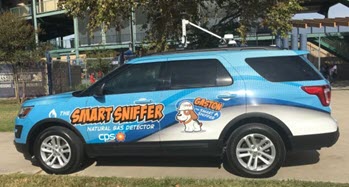
- Gaston is the name we've given our vehicle that is equipped with advanced technology to improve reliability and keep our community safe by helping maintain our natural gas pipelines.
- Gaston also provides quicker inspections and requires fewer resources for routine work. The Smart Sniffer vehicle helps reduce wear and tear on our other vehicles.
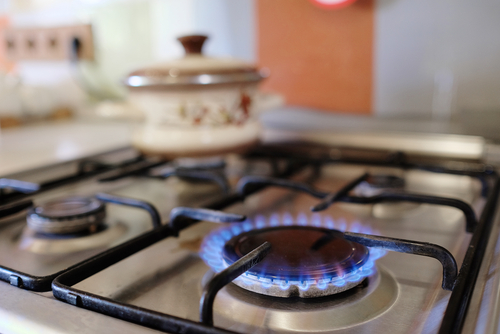
- No, using the oven or range to heat your home can produce dangerous carbon monoxide gas. Carbon monoxide is referred to as the silent killer because you can't smell the fumes, so the results can be deadly. Using the stove as a heating source also can damage the appliance.
- Carbon monoxide is a poisonous gas, created when a fuel like wood, charcoal, gasoline, propane or natural gas does not receive the proper amount of air as it burns. Symptoms of carbon monoxide poisoning include dizziness, fatigue, nausea, and heart palpitations. Victims should be moved to fresh air immediately and given medical attention as soon as possible, including mouth-to-mouth resuscitation if they are not breathing. In the event of a carbon monoxide buildup, open doors and windows to ventilate the house, then leave as quickly as possible.
- Don't let young children use the stove or oven, or touch pipes leading to water heaters or ranges.
- If you use a gas space heater anywhere in your home, make sure the room in which it is used is always ventilated to the outside. Never sleep in a room with an unvented gas or kerosene heater.
- Have your natural gas appliances serviced and repaired by professionals. Keep areas around your gas water heater or furnace clean, uncluttered, and free of flammable materials. When purchasing a natural gas appliance, we recommend using only AGA-certified (American Gas Association) appliances. Look for the blue star. Follow all manufacturers' instructions. To ask CPS Energy for assistance with gas pilot lighting, go to Gas Pilot Lighting.
- Safety of our community and employees is a top priority for us. Ensuring the safety of our pipelines is built into our everyday operation. One way of achieving this is through our Pipeline Integrity Management Program (IMP). The primary goal of this program is to continuously improve safety by identifying, assessing and managing risks to natural gas pipelines. Customers also help to ensure safety by calling 911 and CPS Energy at (210) 353-HELP if a natural gas leak is suspected.
- Information regarding the Integrity Management Program (IMP)


