
Customers still in an outage need to make plans to stay somewhere cool and safe overnight. Places to Stay Cool and Resiliency Centers are available at SA.gov/HotWeather. Outage restoration will take several days. As a reminder, please stay away from downed power lines and treat them as if they are energized. Report downed power lines to 210-353-HELP (4357). We will continue providing updates as restoration efforts progress.
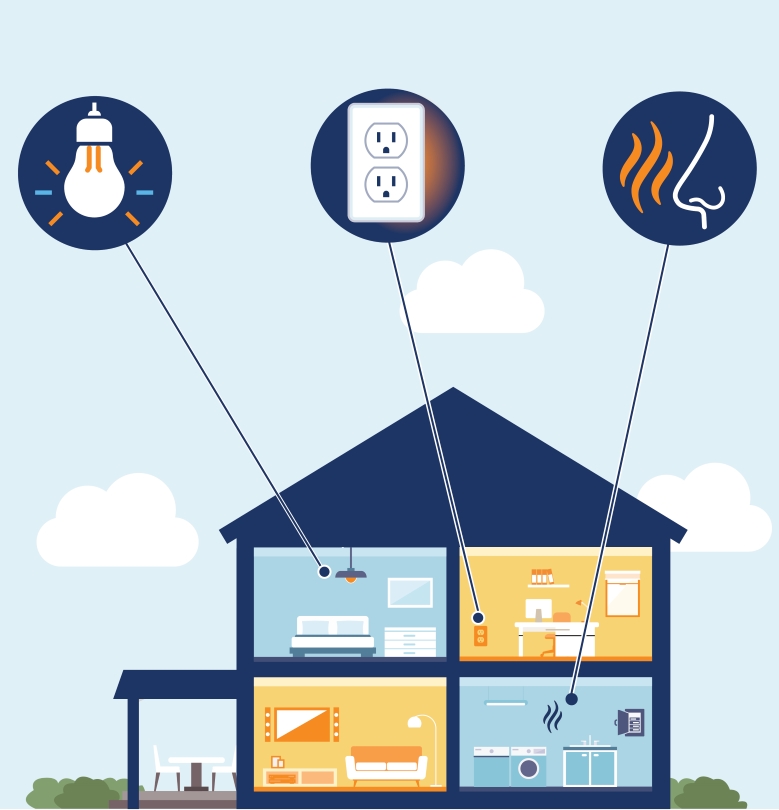
Know the warning signs

Flickering lights
Lights that flicker or dim for no apparent reason could signal a bigger problem.

Warm outlets
Outlets or switches that feel warm to the touch may be overheating.

Burning smells
A smell you can't place could be electrical wiring overheating.
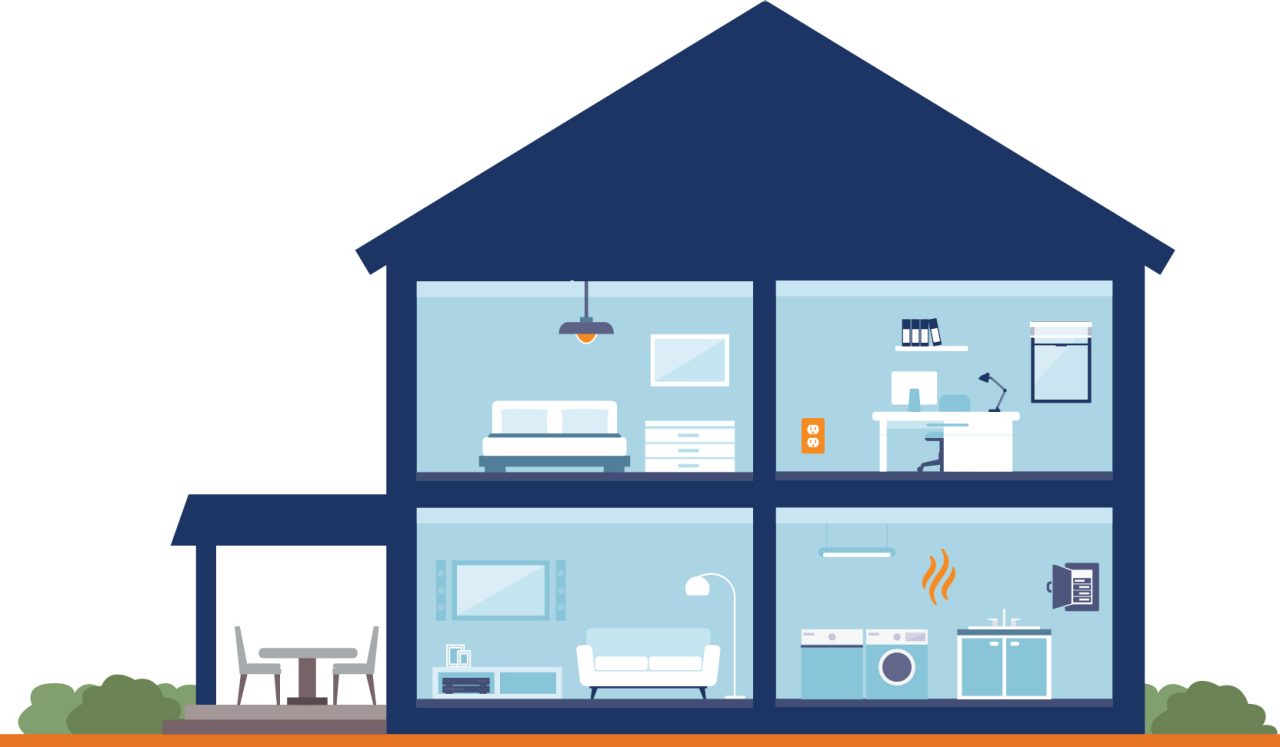
Don't wait. If you notice any warning signs:
- Call a licensed electrician right away.
- If there’s immediate danger, call 911 first.
Indoor safety
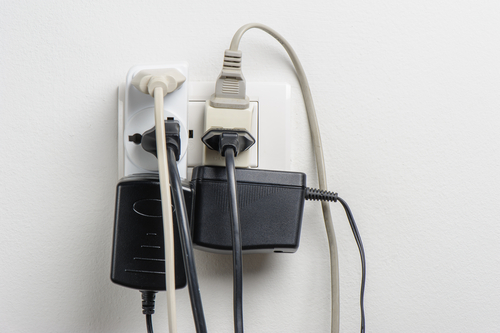
- Don't overload circuits by inserting too many plugs into a single outlet
- Install safety covers on all unused outlets kids can reach, and replace any missing or broken wall plates
- Make sure all plugs fit securely into outlets; loose-fitting plugs can overheat and lead to fire
- Avoid overloading outlets with too many appliances
- Replace any cords or extension cords when they are frayed or cracked
- Place cords away from traffic areas, but not under carpeting or rugs
- Use extension cords on a temporary basis; they are not intended as permanent wiring
- Keep space heaters and halogen floor lamps at least three feet away from combustible materials
- Turn off space heaters and halogen lamps whenever you leave the room, and don't use them where children are unsupervised
- Turn pot handles toward the back of the range to prevent children from reaching and pulling down a hot pan
- Protect electrical outlets with Ground-Fault Circuit Interrupters (GFCIs); hire an electrician to install these devices to protect electrical receptacles near water
- Never use the kitchen range/oven as a space heater
- Don’t touch a wet appliance, if it is plugged in; first, turn off the power source at the panel board (circuit breaker box) and then unplug the appliance
Working with electrical equipment
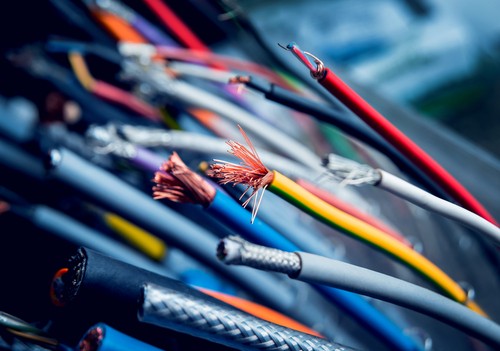
When you’re working on electrical systems or equipment, we want you to put your safety first. Here are a few guidelines.
- Use the right tools for the job
- Flip the breaker––isolate or de-energize equipment via the breaker panel
- Identify the electric shock hazards and other dangers that may be present
- Test every circuit and every conductor with a meter or current tester before starting to work
- Use personal protective equipment - it's your last line of defense in case something goes wrong
- Ask yourself, "Do I have the skills, knowledge, tools and experience to do this work safely?" If the answer is no, contact a qualified Electrician.
For additional information, call us at (210) 353-2970.
Electrical storms
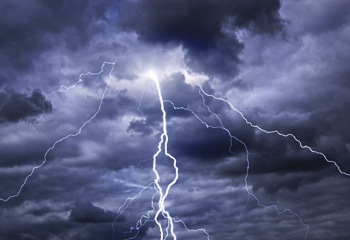
Remember these tips for staying safe during electrical storms:
- Seek shelter. Once indoors, stay away from windows and doors
- Stay off corded phones, computers and other electrical equipment that put you in direct contact with electricity.
- Unplug electronic equipment before the storm arrives
- Install surge protectors to help prevent damage to your electronics from lightning
- Turn off air conditioners and computers to protect them from power surges
- Avoid contact with plumbing, including sinks, baths and faucets
- If you can’t get indoors, go to a low point––lightning hits the tallest objects
- Stay away from trees
- Avoid metal
- If you feel a tingling sensation or your hair stands on end, lightning may be about to strike; crouch down and cover your ears
- Stay away from water
- Don't stand close to other people; spread out
- Take care of your pets. Bring them inside, too


